We don’t know what we don’t know.
It’s just in our nature to not look deep into circumstances in which we don’t find ourselves. However, whether you are ever involved in a lawsuit – as a party or a juror – you should know one of the most basic tenants that all lawyers know, but jurors most often do not.
If you’ve ever watched a criminal trial on television, maybe the O.J. Simpson trial or the more recent Casey Anthony trial, you knew more than the jury did during the trial.
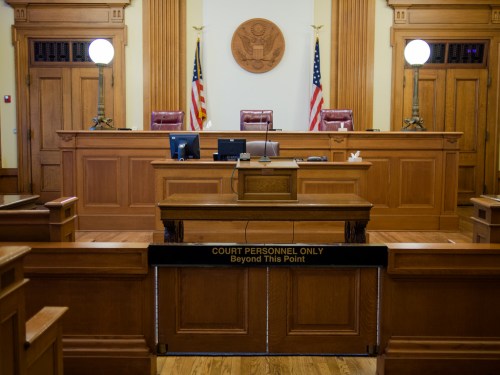
That is because the judge, in both criminal and civil trials, acts as a gatekeeper to limit the issues to the material ones to help the jury reach a verdict and also to limit the length of the trial.
Just before trial starts, what attorneys call “motions in liminie” are filed by both sides in an attempt to persuade the judge to use his or her discretion and keep something out of trial or let something come in as evidence.
To go to all that trouble to research, brief, and argue the issues, you can bet that one side finds the subject of any such motion harmful to their case, and the other side would love for the jury to hear all about it.
It’s a balancing test. If the judge finds the issue or fact to be more harmful to a party than helpful to the jury, then the judge will exclude that evidence at trial, and the jury will never hear about it – at least not until the trial is over.
However, the issue of insurance coverage is automatically excluded from any civil trial, with rare exceptions, which will be a topic for another day. In the law, like in most things, there are always exceptions.
For the most part, however, just the utterance of the word “insurance” could lead to a mistrial. At the least, it will lead to a motion for a mistrial from the Defendant’s lawyers.
The reason behind this rule is that lawmakers (or insurance lobbyists with their ears) are concerned that if a jury knows that insurance is available, and not one penny will actually come from the pocket of the person or company named as a Defendant in a case, they will always side with the Plaintiff and award boatloads of money to the Plaintiff.
It is true that whether insurance is available is not what the jury is supposed to decide at trial. Jurors are simply supposed to determine the facts and apply those facts to the law the judge gives them. If they find the Defendant is at fault, then they are tasked with determining an award for the Plaintiff, as they see fit.
However, by silencing any mention of insurance at trial, the rule formed to protect multi-billion dollar insurance companies from large, automatic verdicts may be doing more harm to Plaintiffs than it would to the insurance companies were the jury to hear that the Defendant has insurance to cover an award. Many times, the Plaintiff also has insurance to cover an award, but this post is not intended to reach that deep into insurance law.
Jurors often have never been involved in a legal dispute. They may have some life experience filing an insurance claim and having it resolved rather easily, and without having to involve attorneys.
In speaking to past jurors and prospective jurors, they often do not understand why a Plaintiff would have to file suit, and sometimes they have wildly wrong assumptions for why a Plaintiff ends up in trial against a person.
Recently, I heard a person during jury selection say that people sue when they want more money than the insurance policy affords. Others echoed similar preconceived, incorrect notions. In talking to a highly-educated friend about the frustration Plaintiff’s attorneys feel because they are banned from explaining that is not so, she was surprised to hear that the misunderstanding would not be addressed during the trial.
Because the word “insurance” is forbidden at trial, the Plaintiff’s attorneys cannot say anything to correct any wrong ideas. They cannot explain why the Plaintiff had to take the case to trial to recover any insurance at all.
Additionally, the judge cannot answer valid questions about insurance that the jury may ask while deliberating. Such questions, which are sent on written notes to the judge from the jury room, tell us lawyers that, at the very least, while in that room and in that moment, the jurors know they are not getting the whole story.
From the Plaintiff’s viewpoint, the jurors crave a deeper look into the circumstances surrounding insurance coverage. However, their questions are met with silence.
The jurors have all the power without all the knowledge, and they have to make a decision with the facts they are provided and without the ones withheld.
They simply do not know what they do not know.
 Mary K. Hashemi, Esq.